AEA-Albania Energy Association
  • Main
  • About Us
  • Services
  • Sectors
  • News
  • EventsEvents
  • PublicationPublication
  • Contact Us
AEA-Albania Energy Association
  • Main
  • About Us
  • Services
  • Sectors
  • News
  • EventsEvents
  • PublicationPublication
  • Contact Us
AEA-Albania Energy Association
  • Home Page
  • About Us
  • Sectors
  • Our Services
  • News
  • Contact Us
May 13, 2025
by AEA in News

Citizens, activists in Bulgaria oppose wind farm project that would destroy forest

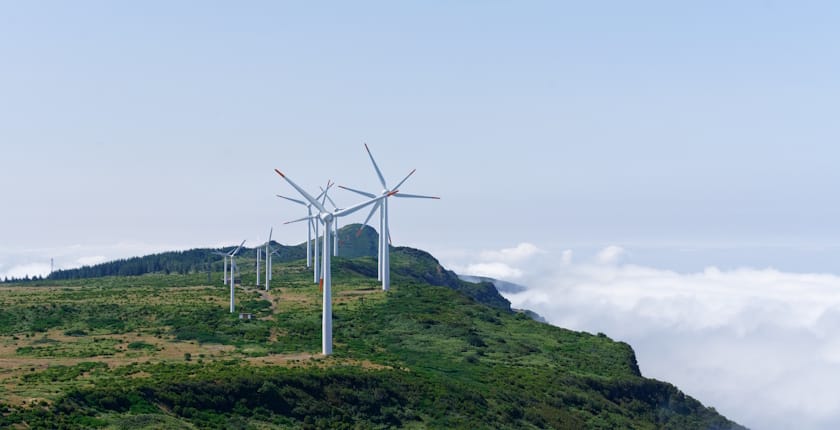
In the municipality of Avren in Bulgaria, citizens and activists will gather on May 18 to express their opposition to a plan to build a wind farm with 29 turbines, which implies the clearing of 30 hectares of forest.

The eastern Bulgarian municipality of Avren is home to valuable forest ecosystems and it lies along one of the most important bird migration routes in Europe – the Via Pontica. A local forest protection initiative, which is organizing a protest on May 18 against a wind farm project, said the decision to change the forest land designation was made without public consultation or an environmental impact assessment, arguing it was against the law.

The said natural resources are of both national and international importance for biodiversity conservation and maintaining the ecological balance of the Black Sea region, protest organizers claim. Although the wind farm project may appear green at first glance, the construction of 29 turbines would require cutting down 30 hectares of forest, they warned. Moreover, the project is located near protected areas within the Natura 2000 network and intersects a key migratory route for birds.

Nearly 9,000 citizens have signed a petition calling for a moratorium on projects affecting forests

Almost 9,000 citizens have signed a petition demanding a moratorium on all projects affecting forests in the area until a comprehensive assessment of cumulative environmental impacts is conducted. They are calling for the suspension of the procedure to amend the general urban development plan and for halting the project, which they deem illegal and harmful to both nature and people.

They are demanding a full and independent environmental impact assessment, including a compatibility evaluation with Natura 2000, the organization of a transparent public debate involving the local community, scientists, and environmentalists, as well as to consider alternative locations outside of sensitive ecological zones.

On the other hand, the company developing the project claims the turbines would be equipped with thermal cameras and sensors to detect approaching birds, and that the wind turbines would automatically shut down if necessary. It added that the minimum distance from residential areas would be between 850 and 1,200 meters, in line with regulations.

The local authority supports the wind farm project. Mayor Emanuel Manolov said about fifty jobs would be created and that the local budget would receive between EUR 1 million and EUR 1.5 million annually.

A protest was also held in Kyustendil against wind and solar projects in nearby mountain areas

Citizens of the Kyustendil municipality have also voiced their opposition to wind turbines. On April 30, a protest was held in Kyustendil against the construction of a wind farm on Osogovo mountain and the expansion of a solar power plant on the Konjavska mountain. The municipal leadership and assembly have supported the citizens’ demands.

Bulgarian citizens have been fighting wind turbines for over a decade

Since 2012, no new wind farms have been put into operation in Bulgaria, mainly due to administrative barriers and legal uncertainty. Late last year, citizens from four districts – Dobrich, Silistra, Shumen, and Varna – protested in Varna, demanding a referendum on the construction of solar and wind power plants on agricultural land.

Earlier, the municipal assembly of Dobrichka (also known as Dobrich-selska – Dobrich rural) voted to ban the conversion of agricultural land into construction land for wind farms. A similar decision was made by the local parliament in General Toshevo. German company wpd plans to install wind turbines in both municipalities.

In 2023, authorities in Vetrino blocked CWP’s massive wind energy project. That same year, a draft law on offshore wind power in Bulgaria sparked opposition from fishermen, the tourism industry, nongovernmental organizations, and local authorities in the coastal city of Varna and its surroundings. It contributed to the fall of the government at the time, and the legislative process didn’t get far.

Citizens in other countries covered by Balkan Green Energy News are also resisting wind power projects. Last year, residents of several villages near Livno in Bosnia and Herzegovina managed to halt the planned construction of the Orlovača wind farm. Around the same time in Serbia, the Ministry of Environmental Protection issued nature protection conditions that prevented the construction of the Čestobrodica wind farm.
Post Views:17
May 13, 2025
by AEA in News

Blackout in Spain, Portugal started with 2,200 MW power production loss

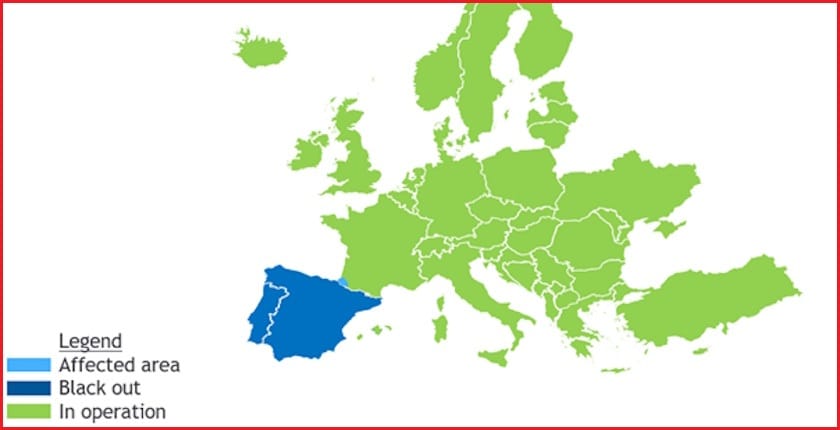
The recent blackout in Spain and Portugal started with the loss of electricity production in power plants with a total capacity of 2,200 MW in the south of Spain, according to an update from the European Network of Transmission System Operators for Electricity (ENTSO-E).

ENTSO-E published the sequence of relevant events from the incident on April 28, which caused a total blackout in Spain and Portugal. The system was fully restored after 16 hours. A small area in France, close to the border with Spain, was also affected by the incident, albeit for a very limited duration, the organization said.

At the end of 2024, Spain’s installed capacity for electricity production was 129 GW or 129,000 MW.

It was one of the most serious incidents so far, on a European scale, and the second one in just ten months in the Continental European Synchronous Area, formerly known as UCTE. It includes most of the European Union as well as Turkey and Southeastern Europe. The first blackout, in the Balkans, occurred on June 21 last year.

ENTSO-E and its member transmission system operators (TSOs), the EU Agency for the Cooperation of Energy Regulators (ACER), national regulatory authorities (NRAs), and regional coordination centers (RCCs) have set up a joint expert panel to investigate the event.

During the half hour before the incident, two periods of power and frequency swings were observed in the Continental European Synchronous Area

The blackout was the result of a complex sequence of events, ENTSO-E said. It published a preliminary chronology.

During the half hour before the incident, two periods of power and frequency swings were observed in the Continental European Synchronous Area, between 12:03 and 12:07 and between 12:19 and 12:21, respectively.

“The TSOs of Spain (Red Electrica) and France (RTE) took actions to mitigate these oscillations. At the moment of the incident, there were no oscillations and the power system variables were within normal operation range,” the update reads.

Data so far has yielded the following sequence of events during the incident:

  1. Starting at 12:32:57 and within 20 seconds afterwards, presumably a series of different generation trips were registered in the south of Spain, accounting for an initially estimated total of 2,200 MW. No generation trips were observed in Portugal and France. As a result, the frequency decreased and a voltage increase is observed in Spain and Portugal.
  2. Between 12:33:18 and 12:33:21, the frequency of the Iberian Peninsula power system continued to decrease, touching 48 hertz. The automatic load shedding defense plans of Spain and Portugal were activated.
  3. At 12:33:21, the alternating current overhead lines between France and Spain were disconnected by protection devices against loss of synchronism.
  4. At 12:33:24, the Iberian electricity system collapsed completely, and the high-voltage direct current (HVDC) lines between France and Spain stopped transmitting power.

As soon as the disruption of the electricity supply occurred, the affected TSOs worked together in a coordinated effort to restore power in the affected region of France, as well as in Spain and Portugal.

The restoration process in Spain was finished at 4:00 on April 29

The restoration process started at 12:44 on April 28 and finished at 4:00 the following night. The restoration of the system was initiated by a black start of hydropower plants in Spain and Portugal.

The restoration process of the transmission grid in Portugal was completed at 00:22, data showed.

According to ENTSO-E, the investigation will be split into two phases. First, the panel would collect and analyze all available data on the incident to reconstruct the events of April 28 and determine the causes of the blackout. The insights would be completed and published in a factual report.

In the second phase, for the final report, the panel is tasked with establishing recommendations to help prevent similar incidents.

ENTSO-E was also in charge of the investigation of the Balkans blackout. The organization published the final report in March.

Post Views:39
May 13, 2025
by AEA in News

Significant step for citizen energy in BiH – Republic of Srpska enables establishment of first renewable energy communities in region

The recent adoption of the rulebook on renewable energy communities in the Republic of Srpska is a big step in enabling citizens, local authorities, and businesspeople in Bosnia and Herzegovina to join forces and produce electricity for their own needs. It was a key step in introducing citizen energy. The concept is a great opportunity for the Balkans, because it can provide many benefits like lowering bills for consumers, and a sustainable energy transition, according to Damir Miljević, a member of the Regional Center for Sustainable Energy Transition (RESET) from BiH.

The new rulebook on renewable energy communities in the Republic of Srpska, one of the two entities making up Bosnia and Herzegovina, defines the activities of renewable energy communities (REC).

Energy transition consultant Damir Miljević explained to Balkan Green Energy News that REC refers to the production of electricity from renewables, while citizen energy communities (CEC) include all types of energy. The rulebook adopted by the Republic of Srpska, in his words, is the first in the region. It is focused on enabling the production of electricity for self-consumption (prosumers) primarily from renewable energy sources such as solar, wind, and hydro energy.

Energy communities are an opportunity for citizens and businesspeople lacking suitable roofs for photovoltaics

He says the rulebook finally created the conditions at the local level – where the energy transition is supposed to be conducted in the first place – for citizens, local authorities, and businesspeople to join forces and produce electricity by installing a facility together. They can use some of the produced electricity for their own needs and inject the rest into the grid.

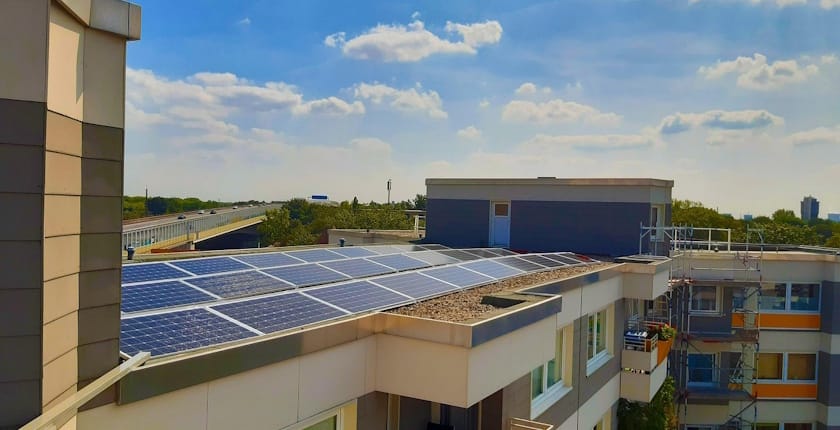
Citizens and small entrepreneurs who don’t have suitable roofs for solar power plants and municipal authorities with many roofs at their disposal as well as their own land can jointly finance and use such facilities. They will benefit both on the individual and collective level, Miljević pointed out. Without the communities framework, it wouldn’t be possible, in his opinion.

“In addition, conditions are created through RES communities to cede a part of the energy that the community’s facility generates, if the members of the community agree, to vulnerable categories of the population, contributing to the fight against energy poverty that way,” said Miljević, who is among the speakers at the upcoming Belgrade Energy Forum 2025 (BEF 2025).

Miljević: Elektroprivreda Republike Srpske needs to do its part

The rulebook’s entry into force enabled citizens, local firms and local communities to establish renewable energy communities, Miljević said and added that the only serious remaining obstacle is the refusal of government-owned power utility Elektroprivreda Republike Srpske (ERS) to sign new supply contracts.

Prosumers in the entity can’t fully exercise their rights, despite an order from the Regulatory Commission for Energy of the Republic of Srpska, as they haven’t yet received the new supply contracts from ERS, he pointed out.

Citizen energy is a great opportunity for Balkan states

Damir Miljević (photo: Balkan Green Energy News)

Miljević stressed that rulebooks are among the steps in introducing citizen energy. Miljević noted that the other parts of BiH haven’t established regulatory frameworks. The Brčko District has no bylaws, while the Federation of BiH has adopted the rules for renewable energy communities, but hasn’t simplified its rules for connecting prosumers and the communities to the grid.

Production onsite for consumption should become priority in energy policies and for decarbonization efforts in the Western Balkans

In Miljević’s opinion, the resistance is enormous and partly caused by the lack of recognition of the importance and role of citizen energy in countries such as the Balkans.

In contrast to developed countries – for instance, household consumption in the European Union has a 25% share in total final electricity consumption – in BiH and Serbia it is 42%, and in Montenegro it amounts to around 50%, he noted.

It means the concept of producing for consumption onsite should be a priority in energy policy and for decarbonization efforts in the Western Balkans, Miljević stressed. It implies putting solar panels on roofs on a significant scale, which is the essence of citizen energy, he added.

Citizen energy isn’t a priority in domestic and international policies implemented in the region

In addition to reducing electricity bills for customers, the concept contributes to reducing distribution and transmission losses and required investments in new grid capacities and new large power plants, and improves the security of supply and energy independence of a country, according to Miljević.

Citizen energy, in his words, is the only solution for a safe and sustainable energy transition and decarbonization of domestic power consumption, but unfortunately it isn’t a priority in domestic and international policies implemented in the region.

The lobbying effect of investors in the market shouldn’t be underestimated either, nor the fear and resistance within the politics and state-owned power utilities to the decentralization, democratization, and demonopolization of power generation that citizen energy brings, Miljević concluded.

Post Views:40
May 13, 2025
by AEA in News

Second HVDC link from mainland Greece to Crete coming online

Greece’s Independent Power Transmission Operator (IPTO) is completing the last elements of the Ariadne Interconnection project, one of the deepest subsea links in the world. The company plans to switch on the double high-voltage direct current (HVDC) cable between Attica and Crete by the end of the month. In addition, IPTO and its Italian counterpart Terna are developing a project for a second interconnector between them.

Final tests and equipment checks are being completed at the Damasta Converter Station in Heraklion ahead of the start of the trial operation of the Crete-Attica electricity link. The management of IPTO, also known by its Greek acronym Admie, and the HDVC Ariadne Interconnection project firm inspected the site.

The transmission system operator said it plans to energize it this week by injecting reactive power into the electricity system in the country’s biggest island.

The transmission of active power from Attica to Crete is set to begin in late May, the update adds. Ariadne consists of two 500 kV cables of  500 MW each. One end is in Pachi in the city of Megara, between Athens and Corinth, and the other one in Korakia in Crete. The submarine and underground cables were tested earlier.

Line on mainland is under trial electrification

At the same time, on the Attica side, a trial electrification of a 400 kV cable system is taking place between the Koumoundouros Converter Station and the adjacent Extra High Voltage Center. Ariadne Interconnection is the largest and most complex electricity transmission project in Greece so far, IPTO underscored.

Furthermore, a 150 kV transmission line between Chania and Damasta recently received the decision on the approval of environmental conditions (AEPO), the company added. It is considered necessary for an optimal combined use of Crete’s two interconnections with the mainland, the announcement reads. The first one, from Peloponnese, was established in 2021.

Ariadne, worth more than EUR 1.1 billion, is one of the three deepest interconnections in the world. The HVDC line’s capacity matches the interconnector to Sardinia, the strongest power link so far with an island.

The project is co-financed through the National Strategic Reference Framework (NSRF 2014-2020 and NSRF 2021-2027), via the European Union, with up to EUR 535.5 million. The idea for the endeavor dates back to the 1990s.

The contractors are Nexans and Prysmian. Each was responsible for one of the two cables while the latter also laid two submarine telecommunication lines.

Erdoğan again taunts Great Sea Interconnector by promising alternative cable

Ariadne is part of a proposed corridor with the Great Sea Interconnector project, formerly EuroAsia Interconnector, envisaged going to Cyprus and Israel. The Crete-Cyprus investment has been suffering heavy delays amid financing issues, ownership disputes and Turkey’s threats.

In early May, President Recep Tayyip Erdoğan visited the Cypriot Turkish breakaway republic, recognized only by Turkey, and promised an interconnection with his country. He compared it to an existing water pipeline.

“Did we bring water from under the sea to Northern Cyprus from Turkey? Now we are in the second stage. God willing, we will bring electricity and with that we will cover the needs of Northern Cyprus in water and electricity,” Erdoğan stated.

Notably, IPTO denied yesterday a press report that it is considering the possibility, together with Nexans, the contractor, to alter the route and connect Crete with the Dodecanese Islands instead of with Cyprus. The archipelago includes Rhodes, Astypalaia (Astypalea), Kos and Tilos.

EBRD is providing a grant for the first studies for an interconnection between Greece and Egypt

In other news, the European Bank for Reconstruction and Development (EBRD) and Elica Interconnector, a member of the Copelouzos Group, signed a grant agreement for the first studies for the planned Egypt-Greece (GREGY) electricity interconnection.

IPTO and its Italian counterpart Terna signed today a memorandum of understanding to install a second undersea HDVC power line. The GR.ITA 2 project is for a double cable, two times 500 MW, scheduled for completion in 2031. The two sides earmarked a total of EUR 1.9 billion.

The existing 500 MW interconnector, in operation since 2002, is temporarily down due to a malfunction.

Post Views:40
May 13, 2025
by AEA in News

Everything is ready for Belgrade Energy Forum 2025 – welcome!

Everything is ready for the third Belgrade Energy Forum – BEF 2025. On May 14 and 15, the conference will gather four hundred participants from more then 30 countries from the region, Europe, and beyond.

Participants of the Belgrade Energy Forum 2025 (BEF 2025) will have the opportunity to hear from speakers from the European Union and five countries in the region and exchange views. Eight panels featuring more than 50 officials, executives and prominent energy experts will try to untangle the currently most important issues in the energy sector.

Representatives of governments, regulatory agencies, regional and international institutions and organizations as well as the business community will outline their future moves, which is invaluable information given the new reality of a turbulent geopolitical landscape.

Latest information on the largest project for the installation of solar power plants in the region and beyond

Energy Community Secretariat Director Artur Lorkowski and Serbian Minister of Mining and Energy Dubravka Đedović Handanović will open the event. One of the key speakers is Christian Zinglersen, director of the EU Agency for the Cooperation of Energy Regulators (ACER).

The ministerial panel consists of ministers and other officials from Montenegro, Croatia, Hungary, Serbia, and the Republic of Srpska, which is one of the two entities making up Bosnia and Herzegovina.

Representatives of the Hyundai Engineering – UGT Renewables consortium will summarize the next steps in the largest solar power project in the region and beyond. The consortium is the diamond sponsor of the event this year as well.

It entails solar power plants with a total connected power of 1,000 MW, and battery energy storage systems (BESS) of 200 MW in overall capability and 400 MWh in capacity.

It is a joint project with Serbian state-owned power utility Elektroprivreda Srbije. The partners took another important step this week by signing a grid connection contract with the country’s transmission system operator Elektromreža Srbije.

Hitachi’s cutting-edge technological solutions are indispensable in Southeast Europe

Keynote speakers Seung-Won Lee, Vice President of Hyundai Engineering, and Chan Wo Park, Global Executive Advisor at UGT Renewables, will present the project.

Hitachi Energy‘s cutting-edge technological solutions are indispensable in Southeast Europe. Some examples of its contribution to the energy transition of the region are the largest solar power plant in the Balkans – Apriltsi in Bulgaria, of 250 MW, as well as the second wind farm in North Macedonia – Bogoslovec, with a capacity of 36 MW.

Together with the Association of Serbian Energy Intensive Industry, Hitachi Energy is in the group of silver sponsors of BEF 2025.

The association was founded by Metalfer Group, Elixir Group, Lafarge Serbia, Moravacem (part of CRH) and TITAN Cementara Kosjerić. They are producers of steel, fertilizers and cement driven by a vision of sustainable development, industrial innovation and regulatory clarity.

Zečević: Decarbonization must be shaped by strategy, not imposed by circumstance

BEF 2025 will be attended by the association’s manager Stanislava Simić, Metalfer Group president, Branko Zečević and Lafarge Serbia CEO Dimitrije Knjeginjić.

“As Europe enforces carbon accountability through CBAM, Serbia and the Western Balkans must not remain a regulatory blind spot. Without our own regionally adapted carbon border policy, we risk being overwhelmed by carbon-intensive imports, eroding both our industry and climate goals,” Zečević stressed.

The association calls for a regional, synchronized approach – one that levels the playing field, accelerates innovation, and positions the Western Balkans as a credible partner in Europe’s green transition, he added. Decarbonization must be shaped by strategy, not imposed by circumstance, according to Zečević.

Batteries are the stars of BEF 2025

The panel ‘Energy storage system market in SEE: trends and forecasts’ has attracted great interest.

One of the panelists is Ioanna Barouni, Research Associate in Aurora Energy Research, a reliable energy market analyst and a knowledge partner of the forum. The company’s analysis unveils answers to questions that everybody asks – politicians, investors and regulators alike. For instance, one burning issue is the effect of cannibalization in solar power on wholesale power prices.

Aurora recently presented its first forecast for the Western Balkans, based on investment activity. The firm now provides forecasting services for Albania, Kosovo*, North Macedonia, Montenegro, and Bosnia and Herzegovina.

Cerović: BEF is a key event bringing together industry experts

Financing battery energy storage systems is a job banks such as UniCredit Bank Serbia, a bronze sponsor of the conference.

“I’m delighted to once again represent UniCredit Bank Serbia, in BEF, a key event that brings together industry experts and leaders in the energy transition in Southeast Europe. As the global market moves towards decarbonization and greater use of renewable sources, the role of energy storage systems becomes increasingly important,” said Svetlana Cerović, Head of Specialized Lending at UniCredit Bank Serbia.

She is also last year’s winner of the Female Leader in Sustainable Energy award.

Fortis brings its vast experience in investments in energy storage

Fortis is bringing its vast experience in investments in energy storage. In February, the firm inked a deal for batteries for North Macedonia’s largest PV plant, Oslomej, while a 36 MWh battery in Serbia is in the pipeline. Fortis has also signed a framework agreement with PowerChina on joint investments in renewable energy projects.

Nikola Oklobdžija, CEO of Fortis Energy for Eastern Europe, will present the company’s vision.

Renewable Energy Insurance Broker, a bronze sponsor, was one of the key factors for the largest photovoltaic plant in Romania. It provided insurance packages for every phase of development of the 155 MW Rătești facility. REIB is a specialized insurance intermediary focused exclusively on the renewable energy sector.

Tailored insurance solutions improve project bankability and long-term security, according to the firm.

Four companies are exhibitors

BEF 2025 has an exhibition segment, too. One of the companies showcasing its activities is ScadaWatt, which develops smart and reliable solutions for power plants. The company provides remote monitoring, real-time control, and AI-powered analytics to improve efficiency and reduce losses.

SciEngineer and Zarja Elektronika will also present their services and solutions. SciEngineer is the exclusive representative of MathWorks, COMSOL, and Speedgoat in Central and Eastern Europe. Their solutions reduce development time, cut costs, improve reliability, and accelerate time-to-market.

Zarja Elektronika is a leading Slovenian company specializing in advanced fire detection and alarm systems. With over 40 years of experience, it provides innovative, reliable, and tailor-made safety solutions for industrial, commercial, and residential environments.

DRI and YEO are friends of the conference

The Chinese company SANY Renewable Energy, which owns the Alibunar 1 and Alibunar 2 wind farms, will also have an exhibition stand.

DRI and YEO are joining the group of the friends of the conference. DRI is an Amsterdam-headquartered renewables developer and a subsidiary of the DTEK Group, one of the biggest private investors in Ukraine’s energy sector.

Joffroy Beckers, Head of PPA, will speak at a panel dedicated to the topic.

In January, DRI said it planned to start building the 120 MW Ljubovo wind power plant in Croatia in 2027. It revealed it right after it completed a 60 MW solar power plant in Romania.

Turkey-based YEO is active in more than 30 countries, delivering turnkey solutions in energy and industrial systems. In the Balkans, in addition to its energy expertise role, the company invests in renewable energy projects.

Post Views:59
* This designation is without prejudice to positions onstatus and is in line with UNSCR 1244/99 and the ICJ Opinion on the Kosovo declaration of independence.
May 12, 2025
by AEA in News

Bulgaria’s IBEX launches guarantees of origin market

Four participants registered last month at the Independent Bulgarian Energy Exchange’s guarantees of origin platform, creating a national market. Separately, IBEX is preparing to roll out a 15-minute market time unit in the Single Day-Ahead Coupling on June 11 with other European nominated electricity market operators.

The Independent Bulgarian Energy Exchange (IBEX) said it launched a market for guarantees of origin (GOs) of electricity with the Sustainable Energy Development Agency (SEDA or, in Bulgarian, AUER). It is part of the efforts to develop a liberalized energy market and promote renewable energy, it added.

IBEX is Bulgaria’s nominated electricity market operator or NEMO. The country’s legal framework envisages issuing GOs monthly, quarterly and semianually.

After the launch of registration on March 31, four companies joined last month: Aurubis Bulgaria, Armaco Energy, Energo-Pro Energy Services and KER Toki Power, the announcement reads.

No timeline for kickoff yet

IBEX, solely owned by the Bulgarian Stock Exchange (BSE), reiterated that its new platform provides for trading with clear rules, guaranteed payments and price transparency. Notably, there is no timeline for the kickoff.

The preparations for the rollout of a GO market lasted several years. The certificates are issued by renewable energy producers. Consumers buy them to prove their progress in decarbonization.

One GO covers 1 MWh of electricity production or consumption. When SEDA achieves integration with the European guarantees of origin system, the participants in the Bulgarian platform will be able to trade abroad as well. Neighboring Greece introduced GOs last June.

IBEX, founded in 2014, operates day-ahead and intraday markets and a mechanism for bilateral contracts.

Europe transitioning to 15-minute products in day-ahead electricity market

In other recent news, the Bulgarian NEMO co-signed a statement with its counterparts across Europe, affirming the commitment to transition to a 15-minute market time unit (MTU) within the Single Day-Ahead Coupling (SDAC) project on June 11.

The group includes Hellenic Energy Exchange – HEnEx (EnExGroup), Energy Exchange Austria (EXAA), Nord Pool, Croatian Power Exchange (CROPEX) and the Romanian Commodities Exchange (BRM).

Post Views:55
May 12, 2025
by AEA in News

Major offshore wind projects shelved in another blow to industry

Investors in offshore wind farms, especially European ones, are facing increasing losses – Ørsted decided to halt its Hornsea 4 project in the United Kingdom, while the United States stopped the construction of Equinor’s Empire Wind 1 facility.

After the energy crisis and the impact of Russia’s invasion of Ukraine, the resulting surge in inflation and the European industry’s weakening competitiveness, the offshore wind sector has suffered another blow from the drastic reversal of energy and climate policy in the United States. The administration of United States President Donald Trump turned against wind power, particularly offshore projects.

Meanwhile, China’s expansion in the sector is looking more and more like the case with solar power, where it has achieved absolute dominance on the global market. It is making it even more difficult for Western wind turbine producers and project developers to remain above water.

Ørsted announced that it is discontinuing its Hornsea 4 project in the United Kingdom “in its current form.” The Denmark-based developer and operator left the possibility of restarting the endeavor later “in a way that is more value-creating.”

The company won a contract for difference (CfD) at an auction in September for the 2.4 GW project, but it still couldn’t keep it afloat – financially, that is.

Hornsea 4 could have become the second-largest facility of its kind off European shores. The CfD is equivalent to GBP 83 per MWh in current prices.

Offshore wind expansion depends on potential returns for investors

Ørsted cited a continued rise in supply chain costs, higher interest rates, and an increase in the risk regarding the timeline. Group President and Chief Executive Officer Rasmus Errboe pointed out that the company made the move “well ahead of the planned final investment decision later this year.” He also mentioned adverse macroeconomic developments.

Breakaway costs are estimated at EUR 469 million to EUR 603 million, Ørsted said. It sees the impact on earnings before interest, tax, depreciation and amortization (EBITDA) at EUR 402 million to EUR 469 million. It includes a writedown of the offshore transmission assets and cancellation fees. The company expects to write down EUR 67 million to EUR 134 million in construction costs.

WindEurope: Costs can go up between bidding in an auction and procuring equipment, and auctions have to be fully indexed to reflect that

“The pause on Hornsea 4 shows how difficult it is to get offshore wind projects over the line. Costs can go up between bidding in an auction and procuring equipment, and auctions have to be fully indexed to reflect that. More broadly, the investors who make projects happen need a return,” WindEurope commented.

The association stressed that governments are responsible for making value achievable. “Then they’ll get the volumes they want,” the statement adds.

Empire Offshore project stopped in middle of construction in US

In probably the most drastic example of the offshore wind industry’s troubles in the US, the federal authorities forced Equinor to stop its Empire Offshore project last month. The Empire Offshore 1 segment, of 810 MW, was in the middle of construction! The Bureau of Ocean Energy Management (BOEM) ordered the halt pending a comprehensive review.

Notably, the Norwegian government-controlled company was developing the project under a contract with the State of New York. It is in a group of 17 US states and Washington DC which this week challenged, at a federal court in Massachusetts, Trump’s executive order on wind power.

At the end of March, Empire Wind had a gross book value of USD 2.5 billion, including South Brooklyn Marine Terminal, Equinor revealed. By that moment it drew USD 1.5 billion from the loan facility for the project.

Post Views:378
May 12, 2025
by AEA in News

Serbia’s EPS signs PPAs for wind parks Alibunar 1, Alibunar 2

Serbian state-owned power utility Elektroprivreda Srbije will offtake electricity from future wind parks Alibunar 1 and Alibunar 2, of 168 MW in combined capacity. EPS’s Chief Executive Officer Dušan Živković and Project Director of WV-International in Serbia Lazar Lazendić signed today the power purchase agreements (PPAs) and the contracts for difference (CfD) and balancing responsibility.

Wind power projects Alibunar 1 (96.6 MW) and Alibunar 2 (71.4 MW) are among the winners from the latest round of auctions for market premiums for renewable energy in Serbia.

CEO of state-owned power utility Elektroprivreda Srbije (EPS) Dušan Živković signed the power purchase agreements (PPAs) and the contracts for difference (CfD) and balancing responsibility for the two planned facilities with Project Director of WV-International in Serbia Lazar Lazendić.

“EPS is committed to investing in the construction of power plants running on renewable sources, and this way we are strengthening our production portfolio and market position, and we actively support all investors in renewable energy sources. EPS will offtake all the generated electricity, the energy remains in Serbia, and the purchase and balancing price is set according to market principles, which incentivizes investors and enables additional profit for EPS. This energy will also give a substantial, additional security to the operations of our electricity system and to supplying citizens and companies,” Živković asserted.

Commitment to domestic market solidified

At the signing ceremony, Lazar Lazendić pointed out that the said success in auctions represents the materialization of important objectives in the development of the projects Alibunar 1 and Alibunar 2.

“Today’s signing of the contract with Elektroprivreda Srbije, encompassing market premiums, the purchase of electricity, and balance responsibility for our future wind farms solidifies our strong commitment to this market and plays a crucial role in driving Serbia’s energy transition forward,” he added.

Alibunar 1 and Alibunar 2 are SANY Renewable Energy’s first investment in Serbia

The special purpose vehicles, SPVs, or project firms for the two facilities are called Windvision Windfarm A and Windvision Windfarm B, respectively. They are majority owned by SANY Renewable Energy.

“The Alibunar 1 and Alibunar 2 wind farm projects are crucial for our company. SANY Renewable Energy is entering the Serbian market and the Western Balkans region through these projects. This will be the first installation of our wind turbines in these wind farms, serving as a model for our future expansion. We are eager to collaborate with local stakeholders and partners to enhance the country’s energy security,” said Zhou Fugui, Chairman of SANY Renewable Energy and member of the Board and Executive President of SANY Group.

WV-International is the gold sponsor of the Belgrade Energy Forum – BEF 2025, which will be held on May 14 and 15 in Serbia’s capital city, and SANY Renewable Energy is an exhibitor.

Živković: EPS obtained additional 2.6 GW from renewable sources

Živković also said that in the two rounds of auctions facilitated 850 MW of wind and solar power capacity and that, with investors that participated in the two rounds of auctions and other independent producers in Serbia, it already has an additional 2.6 GW from renewable energy sources.

The level will increase by 1 GW in 2028 from the self-balancing solar power plants that the company is developing with its strategic partner, the consortium of UGT Renewables and Hyundai Engineering, he added. “That’s when we expect the production from renewable energy sources to reach 50% of the total electricity production,” the head of EPS underscored.

Post Views:68
May 11, 2025
by AEA in News

Serbia’s TSO EMS signs grid connection contracts for 11 renewable power plants

Serbia’s transmission system operator Elektromreža Srbije signed grid connection contracts today for 11 renewable power plants.

TSO Elektromreža Srbije (EMS) noted that the contracts were signed after the second interval for the preparation of studies for the connection of power plants to the transmission grid. The total capacity of the facilities within the new deals is 2,052 MW, the company added.

They include four self-balancing solar power plants that state-owned power utility Elektroprivreda Srbije (EPS) is developing with the consortium Hyundai Engineering – UGT Renewables under a strategic partnership. The contracts were signed by EMS CEO Jelena Matejić and EPS CEO Dušan Živković.

The grid connection contracts were signed for Salaš and Sikole (490 MW in combined capacity), Jablanica (421.5 MW), Bački Gračac (65.9 MW) and Srpska Kuća (27 MW). Their total approved connection capacity is 1,004.4 MW.

Two projects with grid connection contracts are for hybrid power plants

Five other projects on the list are also for photovoltaic plants: East One (49.5 MW), South Two (44 MW), Erdevik (74 MW), Solar Knjaževac (136 MW) and Palić (110 MW). Two are for energy parks – hybrid power plants combining wind and solar energy – Vida Power with 150 MW and Equinox with 277 MW.

Projects East One and South Two are developed by Hive Energy, Erdevik by Fortis and Solar Knjaževac by Central Europe Energy Company, owned by China’s GCL. CWP Europe is in charge for two hybrid power plants.

Of note, in October 2024, the Government of Serbia launched the strategic partnership with the consortium Hyundai Engineering – UGT Renewables, which was selected at a tender for the investment. It envisages solar power plants with a total connected power of 1,000 MW, or 1,200 MW in nominal terms, and battery energy storage systems (BESS) of 200 MW in overall capability and 400 MWh in capacity.

UGT Renewables CEO Adam Cortese told Balkan Green Energy News that the consortium’s strategic partnership with Serbia for the six photovoltaic facilities is worth EUR 1.6 billion.

Minister of Mining and Energy Dubravka Đedović Handanović said in January that the first works on the project are expected by early 2026.

EMS has two intervals per year for the preparation of grid connection studies

Every year EMS organizes two intervals for grid connection studies: from March 1 to June 30 and from September 1 to December 31. After the contract for the grid connection study is signed and the study is completed, investors must submit bank guarantees to sign the grid connection contract.

The grid connection contract that has been signed now is part of the interval initiated on September 1, 2024.  The contracts for the grid connection studies have been signed for 22 projects, and grid connection contracts have been signed for 11.

In the next interval that started on March 1, 2025, EMS has received eight applications, including two for batteries, the first such projects in Serbia.

In July of last year, EMS announced that September 1 would mark the start of the new interval for the preparation of studies for the connection of power plants and other facilities to the transmission grid.

In the previous interval, bank guarantees for solar, wind and hydropower projects and substations, within the transmission system in Serbia, were provided for 28 facilities with an overall capacity of 4,000 MW, according to EMS.

Post Views:85
May 11, 2025
by AEA in News

Sarajevo rolls out fully digital system to track air-polluting emissions

Sarajevo, the capital of Bosnia and Herzegovina, has developed a register of air-polluting emissions and an information system to track pollutants. The register aims to reduce air pollution in Sarajevo, which very often tops the list of the world’s most polluted cities.

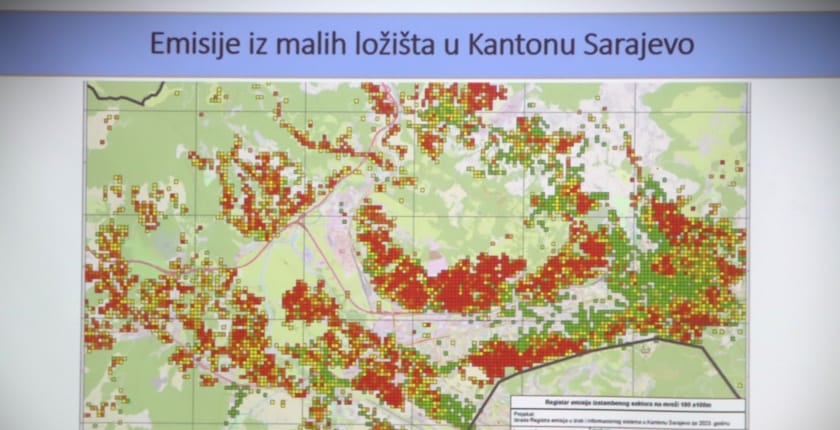
The project to develop the emissions register and the air-pollutant information system for the Sarajevo Canton took two years, according to the government of the Sarajevo Canton. During that period, comprehensive data were collected on various air pollution sources, including home fireplaces, boiler rooms, industry, traffic, and agriculture.

In creating the register, nearly 100,000 individual emission sources were analyzed. The emissions of all pollutants from those sources were calculated in line with the European Environmental Protection Agency (EPA) standards.

The project has created emissions distribution maps for key pollutants

Compared with previous versions, the new register offers significant improvements. It uses the latest methodologies for the spatial distribution of emissions and data verification, complemented by the establishment of a central GIS database and an interactive web portal.

For the first time, the public can compare emissions data for different pollutants on a high-resolution spatial grid (100×100 meters). In addition to the detailed register of emissions, distribution maps for key pollutants, including particulate matter (PM10), sulfur dioxide (SO2), and nitrogen oxides (NOx), are also available.

The information system is set to be publicly available within a month

According to the government, the system allows for the identification of areas with excessive air pollution. A robust emissions register serves as a foundation for strategic financing of projects aimed at improving air quality, including implementing the Strategy for Limiting the Use of Coal and Other Solid Fuels in the Sarajevo Canton (2023-2033), the government added. The strategy was adopted in February 2024.

The new emissions register and air quality categorization map will provide essential data inputs for future planning and strategies across various sectors, including spatial planning, energy, transportation, and healthcare.

Jansson: Air pollution remains one of the most urgent public health challenges in Sarajevo

Birgitta Jansson, deputy head of development cooperation at the Swedish Embassy in BiH, highlighted air pollution as one of the most urgent public health and environmental challenges in the Sarajevo Canton.

“By taking a pioneering step to make environmental data publicly accessible, the canton is enabling transparent, informed, and long-term action toward cleaner air and climate neutrality – and Sweden is proud to support this important initiative,” she noted.

The Prime Minister of the Sarajevo Canton, Nihad Uk, stressed that the new register allows the government to plan measures more accurately, apply for international funding, and make sustainable decisions based on relevant data.

Softić Kadenić: A unique project in BiH

The Minister of Justice and Administration of the Sarajevo Canton, Darja Softić Kadenić, described the project as unique in BiH, since for the first time it introduces a fully digital, accurate, and comprehensive system for monitoring annual emissions into the air.

It is placing Sarajevo Canton among the more advanced European cities, she added.

According to Raduška Cupać, head of the Energy and Environment Sector at UNDP in BiH, the system is more than a technical tool – it is a strategic asset that empowers institutions, companies, and citizens to take concrete steps toward environmental protection.

The register was developed by a consortium of companies Ceteor, E3, and GDI.

Post Views:164
  • 1
  • …
  • 95
  • 96
  • 97
  • 98
  • 99
  • …
  • 140

AEA – Albania Energy Association is a industry association dedicated to representing the interests of Albanian and West Balkan for energy producers and consumers. AEA works to advance the development and adoption of sustainable energy solutions in Albania and the Western Balkans, supporting the region’s transition toward a cleaner, more secure, and more competitive energy future. AEA is registered by decision of the Court of Tirana, DECISION NO. 3032, (VAT:L11827451K).

[email protected]

Address
Blv Zogu 1
Tirana
1057
ALBANIA

LinkedIn  |  Facebook
Events
May 25, 2022 Connecting Green Hydrogen Europe 2022
May 25, 2022 Energy Week Western Balkans 2022
Copyright © Albania Energy Association