AEA-Albania Energy Association
  • Main
  • About Us
  • Services
  • Sectors
  • News
  • EventsEvents
  • PublicationPublication
  • Contact Us
AEA-Albania Energy Association
  • Main
  • About Us
  • Services
  • Sectors
  • News
  • EventsEvents
  • PublicationPublication
  • Contact Us
AEA-Albania Energy Association
  • Home Page
  • About Us
  • Sectors
  • Our Services
  • News
  • Contact Us
June 4, 2025
by AEA in News

CBAM could cost BiH up to EUR 1.6 billion; PM Nikšić signals potential delay

The implementation of the European Union’s cross-border carbon tax and an emissions trading system could cause losses for businesses in Bosnia and Herzegovina ranging from BAM 722 million to BAM 3.17 billion (EUR 369 million to EUR 1.62 billion), according to the latest analysis. At the same time, a statement from the Government of the Federation of BiH, one of the two political entities of BiH, indicates that the rollout of the tax could be postponed.

The EU’s Carbon Border Adjustment Mechanism (CBAM) is expected to come into effect on January 1, 2026. CBAM will impose taxes on imports of cement, iron, steel, aluminum, fertilizers, hydrogen, and electricity into the EU from countries that do not have a CO2 tax.

If CBAM and an emissions trading system (ETS) are both implemented starting next year, BiH’s economy could face financial losses ranging from BAM 722 million (EUR 369 million) to BAM 3.17 billion (EUR 1.62 billion) between 2026 and 2030, Akta reported.

The analysis was prepared at the request of the Ministry of Foreign Trade and Economic Relations of BiH, with support from the Delegation of the European Union to BiH and technical assistance through the EU4Energy project. The authors analyzed four scenarios based on CO2 prices ranging from EUR 118.53 to EUR 147.22 per ton.

Four models for implementing CBAM and ETS were analyzed

The electricity sector, one of the most important industries in BiH, could bear the highest costs under all four models analyzed.

According to the authors, the costs could be passed on to electricity prices, harming households and businesses. It could pose a serious challenge to the country’s economic stability in the coming years.

The first scenario assumes that BiH is paying CBAM, but an ETS is not introduced. Losses in this case would amount to BAM 1.2 billion (EUR 614 million), with electricity producers suffering the most  – BAM 737 million (EUR 377 million). Steel and iron producers would lose BAM 454 million (EUR 232 million), and the cement industry BAM 58 million (EUR 30 million).

The least favorable scenario is a simultaneous implementation of both CBAM and ETS

The second scenario is based on a phased introduction of CBAM with free allocation, but still without ETS. The cost is estimated at BAM 722 million (EUR 369 million), with the electricity sector losing BAM 580 million (297 million), and the steel and iron industry BAM 100 million (EUR 51 million).

The third scenario is the worst for BiH. If ETS and CBAM are rolled out simultaneously, total cost reach BAM 3.17 billion (EUR 1.62 billion). The electricity sector would lose BAM 2.1 billion (EUR 1.07 billion), and the iron and steel industry BAM 504 million (EUR 258 million).

The fourth option involves free allocation within the ETS and CBAM applied only to fertilizers, which are not under the scope of the ETS. In this case, BiH’s industry would lose BAM 2.3 billion (EUR 1.2 billion). Electricity producers account for BAM 2 billion (EUR 1 billion) and the iron and steel industry is down BAM 117 million (EUR 59.8 million).

Nikšić: We must be prepared

Earlier this year, there were reports that the European Commission intends to propose a delay in the implementation of CBAM. However, it turned out that only the reporting and payments would be delayed.

Prime Minister of the Federation of BiH Nermin Nikšić said in Neum that there are indications the deadline for introducing CBAM might be extended.

However, FBiH cannot rely on it, and must create conditions to generate sufficient energy from renewable sources, he underlined. It will ensure that the industry does not have to pay taxes when exporting its products to the EU, Nikšić added.

He didn’t go into the details about the indications.
Post Views:31
June 4, 2025
by AEA in News

Montenegro preparing first renewable energy auction to accelerate green transition

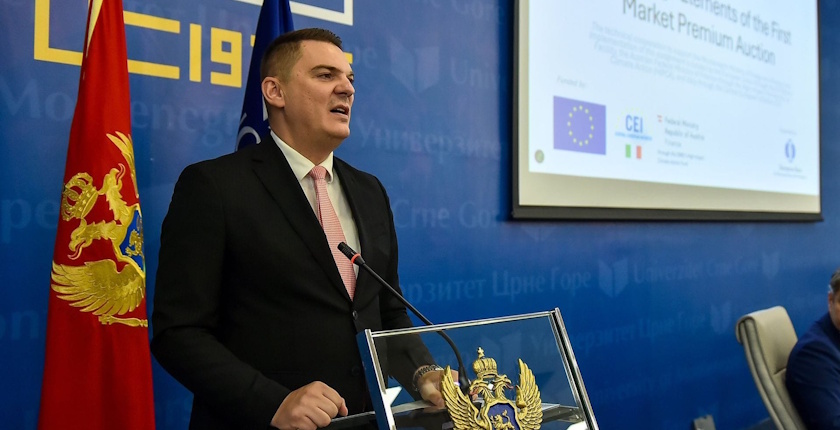
A model for Montenegro’s first auction for market premiums for solar power was outlined at an event in the capital Podgorica. The new legal framework for the green energy transition includes guarantees of origin, citizen energy communities and streamlined permitting. Stakeholders will be able to participate with their comments and suggestions in the renewables auction design.

The Ministry of Energy and Mining of Montenegro organized a conference today to present the key design elements of the first market premium auction for renewables. The competitive bidding process for wind and solar power is part of the reform agenda within the European Union’s Growth Plan for the Western Balkans.

The country’s new legal framework includes guarantees of origin, citizen energy communities and simplified permitting aimed at facilitating investment. They were defined with the new laws on energy and renewables.

The ministry said the first auction would be for photovoltaics. Solar power is the segment with the greatest potential and the lowest share in domestic electricity production, it explained.

EBRD’s Zakaria: First auction should match market needs

The Head of Montenegro in the European Bank for Reconstruction and Development (EBRD) Remon Zakaria urged stakeholders to send their comments and suggestions. The design of the first auction should match the needs of the market as much as possible, he argued.

EBRD participated in drafting the model. The ministry also thanked the Ministry of Finance of Austria, Central European Initiative (CEI) and other partners for their assistance.

At the event in Podgorica, a team of experts presented the technical matters concerning the upcoming auction.

Montenegro to boost renewables’ share in electricity output to 70% by 2030

This is not just the beginning of a technical process – it is a strategic leap, according to Minister of Energy and Mining Admir Šahmanović. He pointed out that Montenegro is transitioning from state incentives to a market-based support model, saying it aligns with the best European practices.

“We know our ambitions and goals for 2030 – a 50% share of renewable energy sources in final consumption and 70% of electricity to be produced from renewable sources. They are indeed demanding targets, but reachable – especially with support from international partners and the private sector,” Šahmanović added.

Montenegro has demanding, but achievable green energy targets, Minister Admir Šahmanović said

Montenegro doesn’t see itself isolated in its energy future but as an integral part of the European market, the minister asserted. With the forthcoming auction, the country is sending a clear message that it is ready for the next steps in the green transition, in his view.

The government is committed to decarbonization, digitalization and preparations for the European Union’s instruments like the emissions trading system (ETS) and Carbon Border Adjustment Mechanism (CBAM), Šahmanović underscored.

“We don’t see this process as a political goal – but as an economic opportunity and social imperative,” the minister said.

Post Views:47
June 4, 2025
by AEA in News

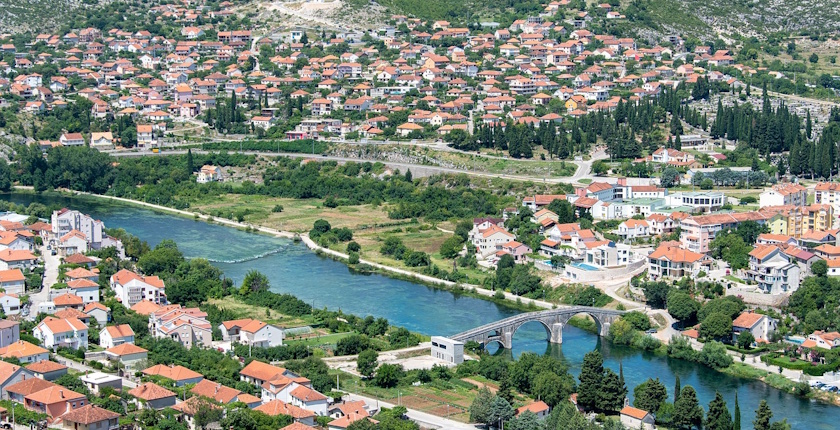
Zhongbo Group to install wind farm near Trebinje

In addition to the plans for several solar power plants in Trebinje, the city in the far south of the Republic of Srpska is paving the way for a wind farm. Chinese company Zhongbo Group is interested in investing in the project.

The Assembly of the City of Trebinje has approved the proposition to develop a zoning plan, the first step in the Trebinje 1 wind farm project, according to local news website Trebinje danas.

The owner of Zhongbo Group, registered in Banja Luka, is Everest Power Pte. Ltd., headquartered in Singapore.

The company has conducted research and preparatory works on the site and obtained approval from electricity transmission company Elektroprenos BiH.

The city authorities will monitor the development of the plan to protect the local population

According to Siniša Vučurević, head of the capital investments department of the City of Trebinje, the zoning plan covers three locations. The first is for the areas of Domaševo, Ždrijelovići, Ugarci, Čvarići, and Vrpolje. The second part are the villages Bodiroge, Vladušići, Turani, and Grkavci, and the third one entails Staro Slano, Tulje, and Dobromani.

He stressed that the department would oversee the preparation of the planning document to ensure the protection of the local population living in the area.

Vučurević added it is in the city’s interest to obtain revenue from concession fees. According to the regulations in the Republic of Srpska, one of the two entities making up Bosnia and Herzegovina, 95% of the fee belongs to the local authority.

Power utility Elektroprivreda Republike Srpske holds three concessions

As for solar power plants, state-owned power utility Elektroprivreda Republike Srpske (ERS) has been awarded the three concessions for photovoltaic plants – Trebinje 1, Trebinje 2 and Trebinje 3. The company Modul Energy holds the concession for the Čičevo PV plant on city territory.

In September last year, the Government of the Republic of Srpska signed an agreement on strategic cooperation in the field of renewable energy sources with two China-based companies. One of them was Zhongbo Group.

The first project envisaged by the agreement is a wind farm. A few months earlier, Zhongbo Group was mentioned as a potential investor in the Hrgud wind farm project.

Post Views:28
June 4, 2025
by AEA in News

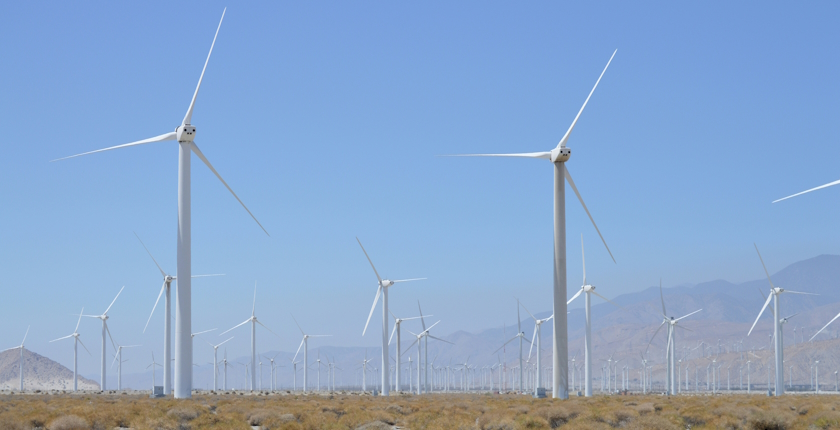
Wind power investments in Turkey surge as major plants inaugurated in May

Investments in wind power in Turkey are on an upward trajectory – this year they are expected to surpass USD 1.5 billion, translating to 1.5 GW of new capacity, President of the Turkish Wind Energy Association (TÜREB) Ibrahim Erden estimated. Among other factors, the country has an extensive manufacturing base for the equipment. Several major wind farms were inaugurated last month.

The first wind turbine in Turkey was installed in 1998, and now total capacity is nearing 14 GW. The growth rate is picking up amid administrative reforms and state support through renewable energy auctions, requiring a high rate of domestically sourced equipment.

President of the Turkish Wind Energy Association (TÜREB) Ibrahim Erden said investments last year amounted to USD 1.3 billion, with 1.3 GW installed. The figure will top USD 1.5 billion in 2025, resulting in over 1.5 GW of new capacity, in his view.

Erden attributed the expansion to new licenses for projects with storage and projects from the YEKA mechanism of renewable energy auctions coming online. Investors from the Middle East and China participated in the bidding, he pointed out.

TÜREB’s chief said he expects 2 GW next year and gradual growth to 3.5 GW by 2028 or 2029.

There are 150 manufacturers in Turkish wind industry

There are 150 manufacturers of wind turbine components and accompanying gear in Turkey, covering 65% of the technology. The country reportedly hosts some 380 wind power plants, with more than ten turbines each on average.

The Grand National Assembly is expected to vote soon on legislation aimed at cutting the permitting process by half, to 24 months or less.

Hundreds of megawatts spring up in western provinces

Several big wind farms were inaugurated last month. Atares-2, in the Karacabey district of Bursa in Turkey’s northwest, has 113 MW. It consists of 23 turbines and the investment is worth almost EUR 150 million. CABA, the investor, expects to generate 400 GWh per year.

Eksim expanded its wind power plant in the Geyve district, southeast of Istanbul, in Sakarya province. The original facility had 11 turbines of 52.8 MW in total. The company’s project is for another 14 turbines of 7 MW apiece.

According to Eksim’s website, the combined installed capacity reached 129.8 MW out of 150.8 MW planned overall.

Enerjisa’s Uygar project would at the moment be the second-biggest wind farm in Turkey

Yıldızlar Group and ERN Holding built a 148.8 MW wind farm in Denizgöründü in the Çanakkale district and province. The location is near the Dardanelles Strait, on the country’s Asian side. The companies earlier said the Gülpınar facility would reach 194 MW.

Enerjisa Üretim, which won most of the capacity at the last YEKA auction, launched production at the first part of its 30th power plant. The Uygar wind farm in Balıkesir is set to grow to 250 MW. Currently, it would make it the second-biggest in the country, after Soma.

The Uygar site also spans parts of the neighboring provinces of Manisa, where Soma is located, and Izmir. Its 60 turbines are seen generating 1 TWh per year, according to the project. Enerjisa Üretim is a joint venture between German E.ON and Turkey-based Sabanci.

City of Kayseri builds first municipal wind park in Turkey

In addition, the Kayseri Metropolitan Municipality in central Turkey inaugurated its three wind turbines in Incesu district. They were built to cover the local trams and electric buses, the local authority said.

The municipal transportation firm is operating the 21 MW facility, which will produce 60 GWh per year. It is the first municipal wind farm among 30 largest cities. Kayseri also has its own solar power plants.

Post Views:34
June 3, 2025
by AEA in News

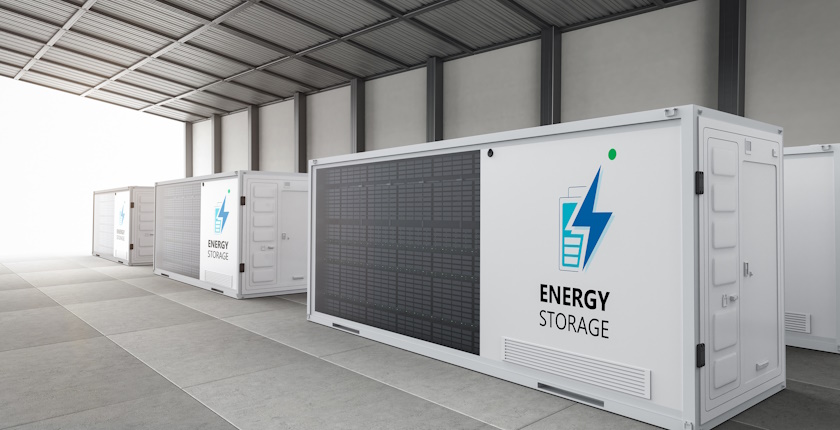
BESS factory of 1.5 GWh per year opening near Sofia in Bulgaria

International Power Supply (IPS), a Bulgarian manufacturer of battery energy storage systems, is about to launch operations at its new facility near Sofia. Its latest model has 8.2 MWh and fits into a standard container. The company plans to double the factory’s annual capacity to 3 GWh already by the end of the year.

IPS, headquartered in Sofia, is automating and scaling its production of battery energy storage systems (BESS). It is counting on growing demand in Europe, including the domestic market. The company already has orders for 7 GWh for the next three years, Chief Executive Officer Alexander Rangelov told the Kapital news website.

The systems in the new X-BESS line have 8.2 MWh in capacity, fitting into a standard TEU container of 20 feet (6.1 meters). Each consists of seven liquid-cooled modules of 1.17 MWh. The model has inverters of 4 MW, translating to a two-hour duration.

Serial production is about to begin in the Hemus high-tech industrial park near Bulgaria’s capital city. Initially, the annual capacity would be 1.5 GWh, but IPS aims to double it already by the end of the year.

IPS plans another, fully robotic factory

X-BESS started three years ago with a 6.5 MWh version. IPS is currently fulfilling contracts for 670 MWh for projects funded through the country’s National Recovery and Resilience Plan (NRRP or, in Bulgarian, PVU). The company also applied for EUR 150 million from the European Union’s Innovation Fund, for a fully robotic 5 GWh factory.

The majority owner of IPS, with 65.5%, is Power Technology Investment Group. It is controlled by the family of the founder Stoil Rangelov Trifonov. SIL Energy Invest has 31.5%. The Capital Investments Fund (CIFund) of the Bulgarian Development Bank holds the remaining 3%.

X-BESS includes a battery management system developed by IPS

The company mainly uses European parts and the lithium-iron-phosphate (LFP) battery cells are from China. The battery management system (BMS) is proprietary. The project pipeline includes a 5 MW rooftop solar power plant for the new factory, combined with own batteries.

IPS is looking for a strategic partner for further expansion.

Just ten days ago, a BESS facility of 124.1 MW – 496.4 MWh was inaugurated in Lovech in Bulgaria. The Ministry of Energy said it is the biggest in the European Union.

Deal with NEK for BESS at Vacha 1 hydroelectric plant

In consortium with GBS Energy Solutions, IPS recently won a tender for equipping the Vacha 1 hydropower plant with BESS. It is a pilot project of state-owned National Electricity Co. (NEK), which has several such investments underway.

The deal is for a system of at least 5 MW in capability and 10 MWh in capacity. The minimum round-trip efficiency is 85%. At 365 cycles per year, the contractors guarantee at least 60 GWh within the duration the 15-year arrangement. They won the job, which includes maintenance, with a bid of EUR 3.4 million.

NEK is also planning another pumped storage hydropower plant at the Vacha dam

Notably, Minister of Energy Zhecho Stankov said last week that NEK sent applications to the European Commission for four pumped storage hydropower projects. Initially, two facilities were planned, at the Batak and Dospat sites. Stankov revealed there would be two systems at Dospat.

The fourth new pumped storage hydroelectric plant is planned near Ravnogor, he said. The village is right next to Vacha 1 and the existing Orphey pumped storage system. The proposed facility would have some 800 MW in capacity, similar to Chaira, according to Stankov. The three existing pumped storage hydropower plants and the sites for the four projects are all in the Rhodope mountains in the south.

Post Views:23
June 3, 2025
by AEA in News

Western Balkans urged to step up just transition measures

In its new guidelines for the just transition, the Energy Community Secretariat highlighted the lack of policies and measures in its contracting parties in the Western Balkans. The concept implies incorporating a people-centred and regionally tailored approach, in national energy and climate planning, to phasing out fossil fuels while providing targeted support to those most affected. Just transition plans can help attract investments.

The Energy Community Secretariat published the Policy Guidelines on Just Transition as part of integrated energy and climate planning. It aims to assist the contracting parties in aligning with their legal obligations. The international organization called on them to adopt dedicated just transition plans (JTPs) or roadmaps, matching their national energy and climate plans (NECPs). The criticism of the Western Balkans mostly concerns the lack of policies and measures in the NECPs.

Of note, Serbia issued its draft Just Transition Action Plan last month. The World Bank approved a EUR 79.9 million loan and a EUR 2.89 million grant for the purpose, to the Federation of Bosnia and Herzegovina, one of the two entities constituting BiH.

Signing the Sofia Declaration in 2020, the Western Balkans committed to decarbonizing their economies to net zero by 2050

The secretariat recommended that the contracting parties improve their reporting on the matter as well. The just transition is a people-centred and regionally tailored approach to phasing out fossil fuels while providing targeted support to those most affected by the process, it pointed out.

In the Sofia Declaration on the Green Agenda for the Western Balkans, adopted in 2020, six contracting parties in the region committed to decarbonizing their economies and the 2050 climate neutrality objective.

A just transition implies support to affected workers and communities, addressing energy poverty, promoting inclusive governance, and ensuring fair access to the benefits of the transition, according to the guidelines. The economies would need to switch to clean, secure and affordable energy for all, the document notes.

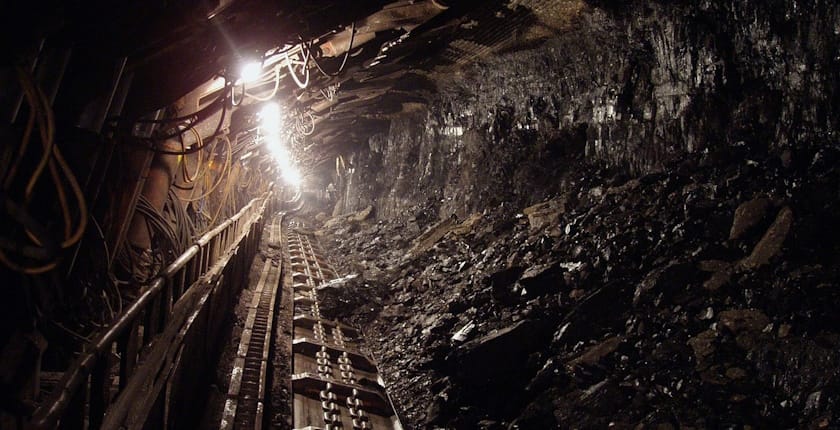
Average coal power plant is almost five decades old

In most contracting parties, coal-based electricity generation is still dominant, characterised by low efficiency and high levels of emissions of carbon dioxide and pollutants.

Coal plants in the Western Balkans are between 34 and 67 years old, with an average age of 46 years in 2023. It entails risks to the security of electricity supply, the Energy Community Secretariat warned.

For comparison, it provided an overview of the situation in the European Union. The authors noted that Romania has no national JTP, but that it developed six territorial just transition plans or TJTPs. They cover the coal regions of Hunedoara, Gorj, Dolj, Galați, Prahova and Mureș.

Due to the insufficient level of integration of just transition in NECPs and the decision by many Energy Community contracting parties to create separate policies and measures in the form of just transition plans, the secretariat recommends that they develop them replicating the structure and content of TJTPs and base them on lessons learnt from European Union member states.

Authorities should support firms, job creation, equal opportunities

JTPs should be based on a granular identification of territories most impacted by decarbonisation, supported by thorough socio-economic and environmental impact assessments.

According to the guidelines, decision makers should support economic stakeholders such as micro, small and medium-sized enterprises and startups. It applies to the creation of firms, too, including through business incubators and consulting services. Workers and jobseekers need upskilling, reskilling and training, the update reads.

Women’s labour market participation and entrepreneurship, as well as equal pay, play an important role in ensuring equal opportunities

Women’s labour market participation and entrepreneurship, as well as equal pay, play an important role in ensuring equal opportunities, the document adds.

“Although no dedicated financing is currently available solely for just transition in the Energy Community, the preparation of comprehensive and credible just transition plans can significantly increase the chances of mobilising both public and private funding in the future. Just transition plans can serve as strategic investment roadmaps,” the authors of the guidelines underscored.

Post Views:34
June 3, 2025
by AEA in News

Serbia drafts just transition action plan

Serbia plans to invest EUR 88.8 million by 2030, through its just transition action plan, in activities aimed at mitigating the impacts of the planned reduction in coal-based energy production, and ensuring a just transition.

The Ministry of Mining and Energy has published a draft just transition action plan and launched a public debate. Within the process, it scheduled a meeting for June 9 in the Chamber of Commerce and Industry (PKS) in Belgrade.

A decarbonization plan will be subsequently defined, including for the shutdown of coal power plants and the transition of underground mines run by state-owned firm JP PEU Resavica, the document reads.

The draft includes an analysis of the planned closure of two coal power plants

The draft contains an analysis of the planned closure of coal-fired thermal power plants Kolubara A and Morava, the oldest in the country. State-owned power utility Elektroprivreda Srbije (EPS) operates them, alongside four other such facilities and open pit mining complexes Kolubara and Kostolac, while Resavica comprises nine mines.

Of note, EPS presented a preliminary plan in 2023 for shutting down its coal power plants.

A significant workforce reduction in lignite production is expected after 2030

The total number of employees in coal power plants and coal mines in Serbia is 25,288. About 20,000 are in the mines.

If the Kolubara and Morava plants were closed, about 472 jobs in the Kolubara region could be indirectly affected, mainly within subcontractors and firms in EPS’s value chain. The draft’s authors estimated that at Rembas, the largest mine within JP PEU Resavica, a total of 930 jobs could be directly affected by 2030, with an additional 958 to 1,367 jobs in indirect risk, primarily in mining subcontractors.

New jobs in the renewable energy sector

Citing Serbia’s Integrated National Energy and Climate Plan, the document adds the thermal power plants are expected to operate at reduced capacity after 2030, but that an accelerated closure is not foreseen. It would result in significant job cuts in lignite production, the draft reads.

The draft’s authors expect the transition to a green economy to create full-time jobs by 2030 and beyond, nationwide, in the construction, management, and maintenance of new renewable energy capacities.

The renewable energy industry in Serbia is projected to create up to 6,105 jobs across the country by 2030, of which 4,397 in the solar energy sector.

EUR 60 million allocated for industrial parks

Out of the planned EUR 88.6 million, the largest portion – EUR 60 million, would be allocated for the improvement of economic infrastructure in existing industrial parks. Local authorities would get grants to upgrade them, amounting to EUR 12 million.

The measure is expected to diversify local economies and attract new investments within industrial parks in affected areas.

The second-largest allocation in the draft would be EUR 12 million for an entrepreneurship and self-employment support program. It includes grants and tax incentives for starting new businesses, with investments of at least EUR 50,000 for small and medium-sized enterprises and EUR 10,000 for self-employed individuals.

Again, the initiative is expected to facilitate the creation of at least 200 businesses and support 200 self-employed individuals.

The draft is the result of a project financed by the European Bank for Reconstruction and Development (EBRD). It began in October 2021.

Post Views:70
June 3, 2025
by AEA in News

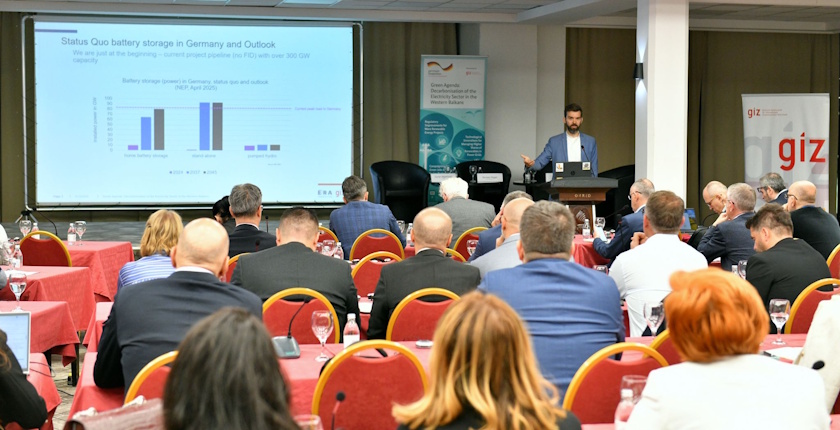
Third Regional Power Sector Exchange in Ohrid: Power grids at core of energy transition

The third Regional Power Sector Exchange of the Western Balkans in Ohrid in North Macedonia gathered over 80 energy professionals from the region to discuss the future of electricity decarbonization and the urgent need to modernize power infrastructure.

Organised under the framework of the Regional Climate Partnership between Germany and the Western Balkans, the conference brought together representatives of transmission and distribution system operators, energy regulators, and energy ministries to accelerate coordinated action toward a greener, more resilient power system.

“No grids, no glory. This slogan captures the challenge in front of us. Without investment in power grids, adaptable regulation, and skilled professionals, the renewable energy transition cannot succeed,” Project Manager at GIZ Nicolas Heger said in his welcoming remarks.

Oberhuber: The Western Balkans have the potential to become a major exporter of clean electricity

Opening addresses were delivered by David Oberhuber, GIZ Country Director in North Macedonia, Anca-Iulia Cimpeanu, European Commission (DG ENER), and Davor Bajs, Energy Community Secretariat.

In his keynote speech, Oberhuber stressed the region’s strategic importance in the Regional Climate Partnership.

The Western Balkans has the potential to become a major exporter of clean electricity to Western Europe and a hub for investment and innovation in renewable energy, he said.

North Macedonia is advancing its energy transition by expanding renewables – solar power capacity reached 506 MW in 2023 – and reducing coal dependency, although thermal power plants still accounted for 47.3% of total electricity production in early 2024.

In 2023, renewables made up 33.15% of electricity generation, with households, transport, and industry as the top energy consumers.

To accelerate the shift, tailored support projects were launched. The Energy, Water Services and Municipal Waste Management Services Regulatory Commission is tackling the surge in renewables applications. Distribution system operator (DSO) EVN is focusing on smart grids and energy quality, and transmission system operator (TSO) MEPSO is exploring options to reduce balancing costs through regional market mechanisms.

Six tailored support projects presented

The event included three sessions on tailored support projects.

Professor Nermin Suljanović presented the project Concept on Data Exchange Between System Operators in Bosnia and Herzegovina.

The data platform enables automatic data exchange among all actors in the electricity market in Bosnia and Herzegovina, ensuring data interoperability and harmonized communication interfaces, according to Suljanović.

He also outlined the project Technical Specification and Requirements for Integration of Renewables into DSO Telecommunication Network.

E-mobility is not only related to energy but also to transportation, telecommunication, data security

A project titled Procedure for Handling RES Connection Requests to the Grid – Queue Management was presented by expert Miltos Aslanoglou, and the Roadmap for Creating a Legal and Regulatory Framework for EV Charging by expert Dejan Stojadinović.

“EU legislation on this matter is a good base for the Western Balkan countries to prepare relevant legal and regulatory frameworks. E-mobility is not only related to energy but also to transportation, telecommunication, data security, and other issues,” Stojadinović said.

Goran Majstrović, Deputy Director and Head of the Energy Transmission and Distribution Department at Energy Institute Hrvoje Požar (EIHP), gave an insight into the project Feasibility Analysis and Funding Assessment for using Dynamic Line Rating (DLR) on the Kosovo* Transmission Grid.

Simplification of Procedures for Prosumer Connection to the Distribution Network in the Federation of BiH was the name of the project introduced by expert Goran Dobrić.

The need for regionally integrated networks has never been greater

Blackouts in both Southern and Southeastern Europe have highlighted vulnerabilities in grid infrastructure amidst growing shares of renewable energy. The need for modern, flexible, and regionally integrated networks has never been greater.

The event was part of a wider regional project implemented by GIZ on behalf of the German government, supporting the integration of renewables and enhancing energy security across the WB6.

In just two years, the project has supported over 30 institutions, trained more than 135 energy professionals, and facilitated the development of the Action Plan for Power Grids in the Western Balkans, in cooperation with the Energy Community Secretariat.

Network redesigns are lagging behind renewables by seven to ten years

Goran Majstrović from Energy Institute Hrvoje Požar presented the Action Plan for Power Grids in the Western Balkans.

“The path to integration of renewables is not just replacing power plants but redesigning the entire system to accommodate them. Network redesigns are lagging behind renewables by seven to ten years,” he asserted.

In the plan, the required grid investments by 2030 in the six countries of the Western Balkans (WB6) are estimated at EUR 10 billion to EUR 14 billion. Investments in primary equipment are seen at EUR 6 billion to EUR 8 billion. As for secondary equipment (digitalization), the forecasted tally is EUR 4 billion to EUR 6 billion.

Phase 2 of the project Green Agenda: Decarbonisation of the Electricity Sector in the Western Balkans is scheduled for completion in 2028. The Regional Power Sector Exchange will remain a key platform for cooperation, helping ensure the energy transition in the region is just and inclusive.

Post Views:167
* This designation is without prejudice to positions onstatus and is in line with UNSCR 1244/99 and the ICJ Opinion on the Kosovo declaration of independence.
June 3, 2025
by AEA in News

Maja Maćić: Alcazar Energy expands presence in Western Balkans

Alcazar Energy is an independent sustainable infrastructure fund focused on renewable energy in emerging markets. It has been present in the Balkans since 2022 and is developing projects in Serbia, Montenegro, and North Macedonia. Maja Maćić, Balkans Platform Head of Alcazar Energy, said at Belgrade Energy Forum (BEF 2025) that the company expects to launch construction activities for some of its projects later this year.

Alcazar plays a significant role in the development of the renewable energy sector in MENAT (Middle East, North Africa, and Turkey) and the Balkans, including projects in Montenegro, Serbia, and North Macedonia.

The company’s presence in the Western Balkans began with the Bijela wind farm project in Montenegro, planned at 118.8 MW. According to Maja Maćić, Alcazar Energy is in the final stages of preparing the technical and other required documentation for the construction permit.

The Bijela wind farm will be in operation by the end of 2028.

“We expect to have the fully permitted project in the third quarter of this year and to close financing by the end of the year, to initiate some early construction activities within this year, but to have construction in 2026 and 2027, with the main aim to have the operational project by the end of 2028,” Maćić said.

[wpcc-iframe title=”Maja Macic, Balkans Platfrom Head and Country Manager Serbia, Alcazar Energy at the Belgrade Energy” width=”500″ height=”281″ src=”https://www.youtube.com/embed/X_WsAfo_TwQ?feature=oembed” frameborder=”0″ allow=”accelerometer; autoplay; clipboard-write; encrypted-media; gyroscope; picture-in-picture; web-share” referrerpolicy=”strict-origin-when-cross-origin” allowfullscreen=””]

The Celzijus wind farm project is one of the largest in the region

By acquiring the largest wind power project in North Macedonia, for the Štip wind farm, Alcazar Energy has expanded its regional presence by 400 MW.

According to Maćić, the company expects to secure all required permits by the end of the year and begin construction. “Due to an improved legislation framework, we have made significant progress in North Macedonia and Montenegro, and we are proud that soon we will have construction activities and engage local companies on the sites,” she stated.

Last year, Alcazar Energy acquired the Celsius 1 wind farm project in Serbia, for 200 MW in capacity. It signed a deal with RP Global, which was developing the project before that. Their transaction includes a portfolio of additional wind and solar projects, totaling 768 MW. The investment in Celsius 1 is estimated at USD 300 million, which would make it one of the largest wind farms in the region.

“We believe that we will also manage to make significant progress in Serbia in order to deploy local companies and international companies, fulfilling the highest international standards and our local policies,” Maćić said.

Post Views:403
June 2, 2025
by AEA in News

Turkish Egesa Enerji to build two solar power plants in Serbia’s Vojvodina province

Turkish company Egesa Enerji has launched a project to build two solar power plants in Vojvodina, with a total peak capacity of 8.6 MW. The investor has signed an agreement with the contractors, and construction is slated to begin in the coming months, according to a statement by Serbian company Solarna energija budućnosti (SEB), which will supply the equipment.

One of the two solar power plants will be built in the village of Aradac near Zrenjanin, with a peak capacity of 4.2 MW, while the other one, of 4.4 MW, will be located in Odžaci. Both will be connected to the distribution grid, in line with a strategy for developing localized and decentralized electricity generation, according to the statement. Vojvodina is Serbia’s northern province.

The solar power plants will help decentralize power generation

The main contractor for the two turnkey projects is Serbian firm Electric Power Construction (EPC). The contractor consortium also includes Bey Han from Turkey, which has built over 250 MW of solar capacity in its home country.

The investor, Egesa Enerji, has completed a large number of projects in three countries and currently operates solar power plants with a total peak capacity of 170 MW, according to the Turkish company’s website.

Egesa Enerji operates solar power plants of 170 MW overall

The project is being carried out through Egesa Enerji’s subsidiary Temo Power, registered in Belgrade.

Vojvodina seen as priority area for investment in solar

In the statement, SEB said that Vojvodina, the part of Serbia with the lowest installed solar capacity, has been identified as a priority area for this type of investment.

“Such projects are exactly what Serbia’s distribution network needs most at this moment – local, stable production with clear timeframes and well-known technologies,” said Danilo Drndarski from the contractor consortium.

It is particularly important that the capacities are being deployed in Vojvodina, where there is a substantial imbalance between electricity consumption and local production, he added. Drndarski is the founder of SEB and EPC.

Post Views:84
  • 1
  • …
  • 88
  • 89
  • 90
  • 91
  • 92
  • …
  • 140

AEA – Albania Energy Association is a industry association dedicated to representing the interests of Albanian and West Balkan for energy producers and consumers. AEA works to advance the development and adoption of sustainable energy solutions in Albania and the Western Balkans, supporting the region’s transition toward a cleaner, more secure, and more competitive energy future. AEA is registered by decision of the Court of Tirana, DECISION NO. 3032, (VAT:L11827451K).

[email protected]

Address
Blv Zogu 1
Tirana
1057
ALBANIA

LinkedIn  |  Facebook
Events
May 25, 2022 Connecting Green Hydrogen Europe 2022
May 25, 2022 Energy Week Western Balkans 2022
Copyright © Albania Energy Association